

1. Match the Part to the Foundry’s Range
Start with the drawing, not the supplier list. A foundry that pours your material every week, in your weight class and at your volume, is a safer choice than one stretching to reach it. Check four points:
- Material and grade: the standard on the drawing, such as ASTM A48, A278 or A536, and whether the foundry has shipped that grade recently.
- Unit weight and size: the range it pours routinely, and whether its machines can hold the part if machining is required.
- Volume: some foundries run long series only; others are set up for high-mix, low-volume work.
- Supply condition: as-cast, machined or painted, and which steps would be subcontracted.
At Longtai: gray iron, ductile iron and abrasion-resistant white iron, with recent grades in ASTM A48, A278, A536 and A532; unit weights from 0.1 kg to 10 t; a maximum cutting diameter of 4,500 mm; orders from one piece. See Size and weight range.
2. Check the Molding Process and Pattern Plan
The molding process should suit the part. No-bake resin sand gives stable dimensions on medium and large parts, resin-coated sand suits small parts with fine detail or internal cavities, and green sand keeps costs down on small parts in volume. Ask how a new part will be molded and whether filling and solidification are simulated before the pattern is built. Simulation finds shrinkage and gating problems on screen rather than in the first castings.
Agree on pattern ownership, storage and repeat orders at the outset: who owns the pattern, where it is kept, and whether a repeat order needs new tooling.
At Longtai: three molding processes, combined when a part calls for it; casting simulation for new parts; more than 1,000 pattern sets stored on site, so repeat orders need no new tooling. See Molding.
3. Verify How Material Properties Are Controlled
A grade on a certificate is only as good as the control behind it. Ask how chemistry is checked before pouring, how test bars are poured and tested, and which reports come with each lot. Ask to see a composition report and a tensile report from a recent heat of your grade; a foundry with a working lab can produce both quickly.
At Longtai: every heat is analyzed on a SPECTRO optical emission spectrometer (29+ elements) before pouring. Test bars are pulled on a 30 t tensile testing machine, hardness is checked in HB or HRC, and metallography confirms the graphite form. Common grades have been tested for physical properties by a third party. See Melting and ASTM A536 Ductile Iron.
4. Machining and Dimensional Inspection
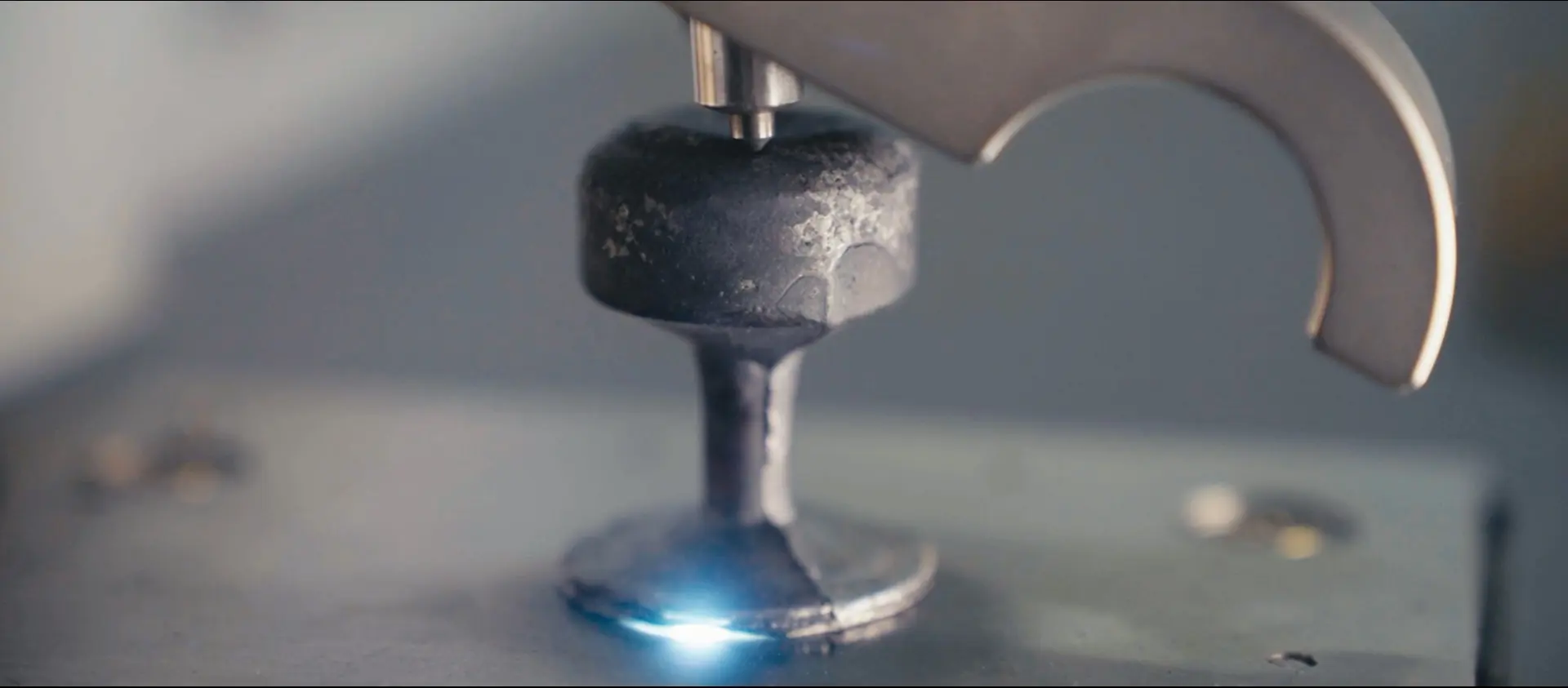
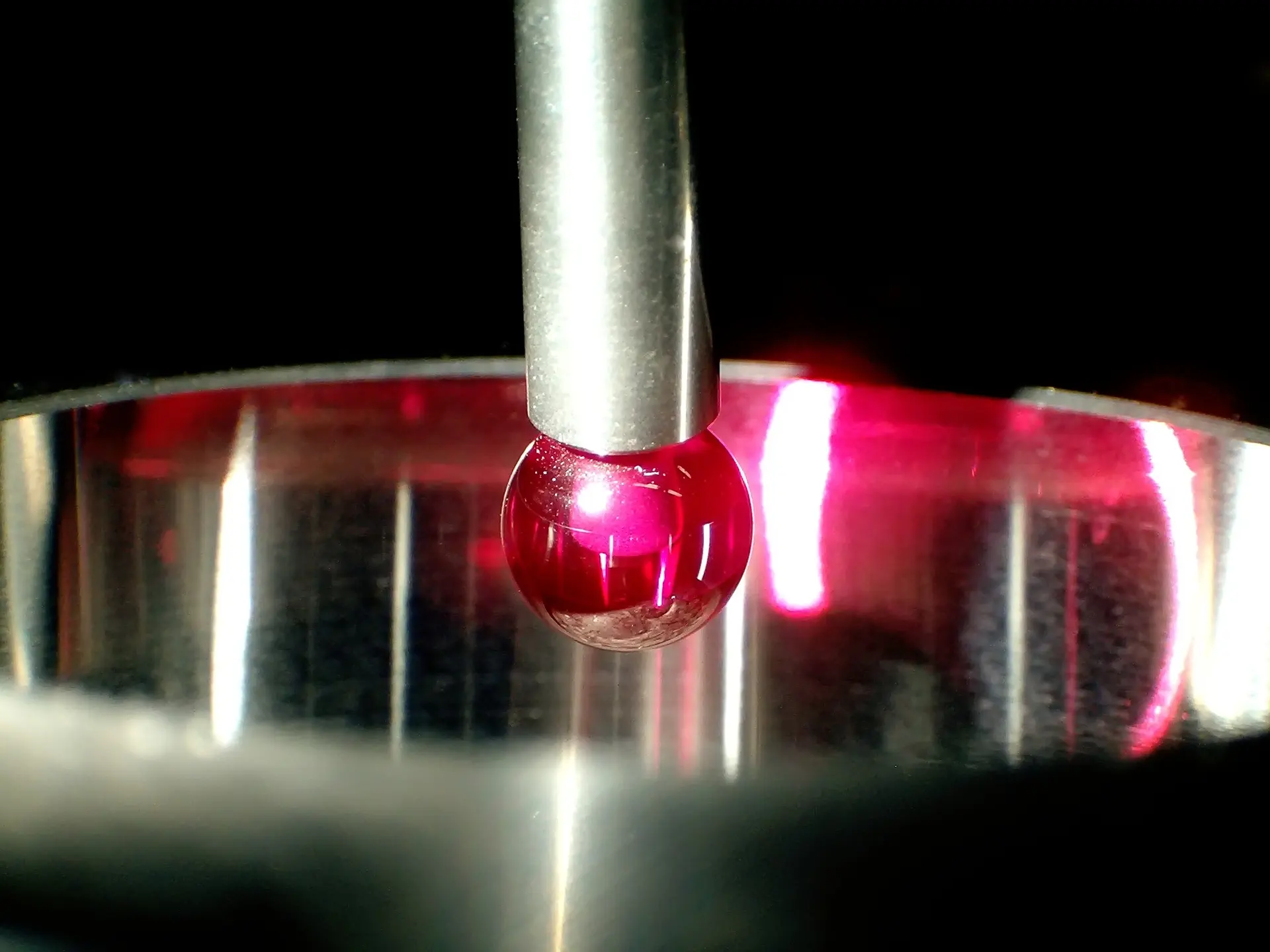
If the part ships machined, find out where it is machined. When the foundry machines in-house, one supplier answers for both the casting and the finished dimensions; when the castings go to an outside shop, porosity found during machining can turn into a dispute between two suppliers. Compare the machines’ work envelopes with your part, and ask how sample parts are inspected before batch production.
At Longtai: machining centers, vertical lathes, boring mills, gantry milling machines, CNC lathes and drilling machines handle loads up to 20 t. Sample parts undergo full dimensional inspection on a CMM, and batch production starts only after they pass. See Machining.
5. Verify Certificates, Not Just Collect Them
An ISO certificate is a starting point, not proof. For each certificate, note the number, the issuing body, the expiry date and, above all, the scope: it should cover the production of castings, not only trading. Certificates issued in China can be checked with the certification body or on the website of CNCA, China’s national certification regulator. Provincial and national recognitions are useful context, but they do not replace a review of process and testing.
At Longtai: ISO 9001:2015, ISO 14001:2015 and ISO 45001:2018, issued by Beijing Zhonghuanzhian International Certification Co., Ltd. (CNAS C245-M, IAF member) for the production of molding castings and audited annually. Longtai is also a National High-Tech Enterprise (first recognized in 2020, reassessed in 2023), a Jiangsu Province “Specialized and Sophisticated” enterprise (2025), and rated AA under the Integration of Informatization and Industrialization Management System (2024). Certificate numbers and expiry dates are listed on the About page.
6. Look for a Real Export Record
Ask which countries the foundry ships to, for how long, and whether it exports directly or through a trading company. Long-standing supply to established equipment makers indicates that a foundry can sustain quality across repeat orders. Ask also how heavy parts are packed for sea freight.
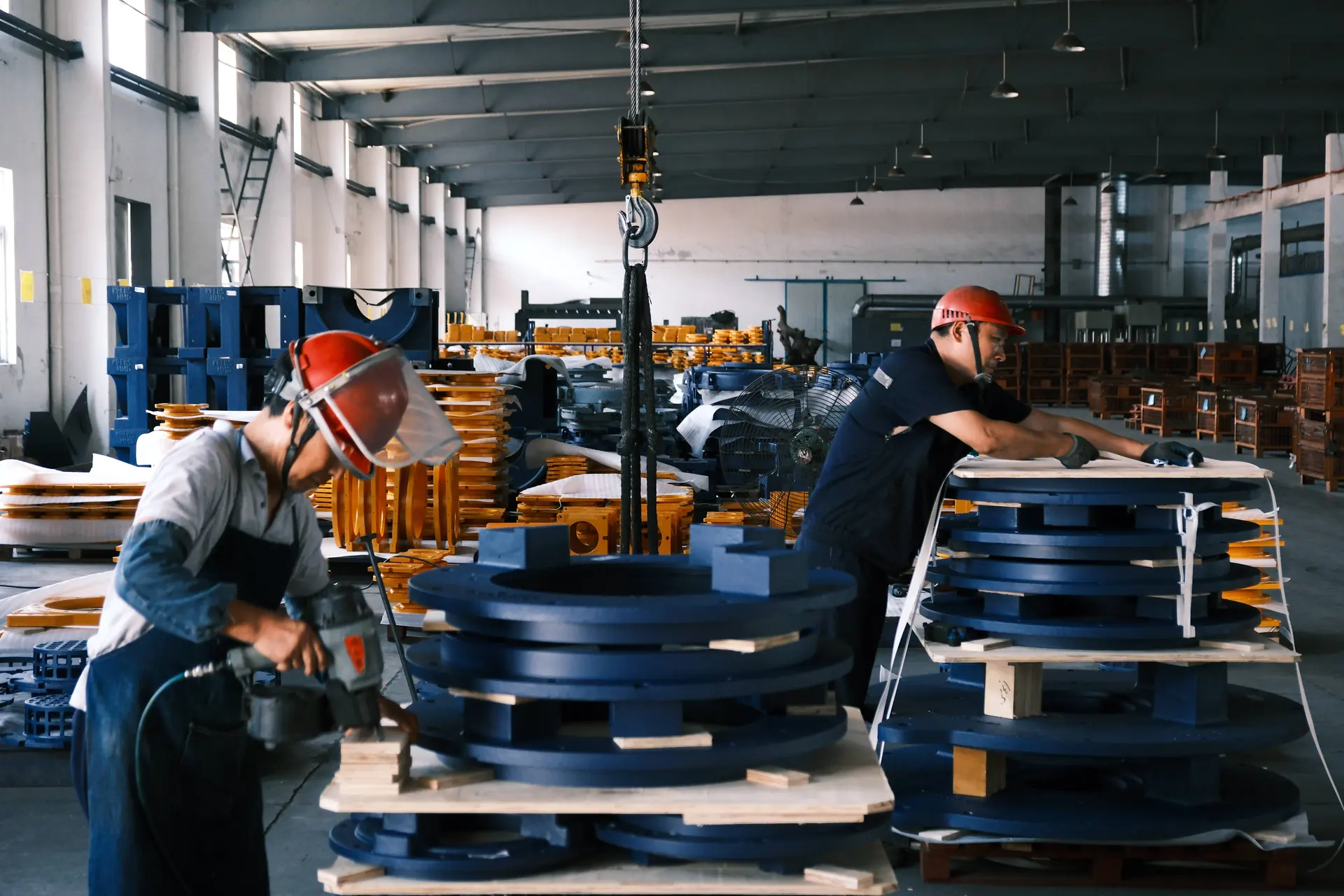
At Longtai: a local supplier to Siemens Motors since 2007, to WEG Motors since 2008, and under a long-term supply agreement with FLSmidth since 2012. Castings ship to 12 countries and regions, including the United States, Brazil, Germany and Australia. Longtai is licensed to import and export and ships directly, in wooden crates or on pallets sized to the part, with custom steel frames for heavy parts.
7. Communication and Confidentiality
Drawings carry notes, tolerances and revision details that are easily lost in translation. Ask whether engineers read your drawings directly or receive them through a sales intermediary, how quickly open points are answered, and whether the foundry will sign a non-disclosure agreement before you send drawings.
At Longtai: engineers review English drawings directly and work with overseas customers in English. Requests for quotation receive a reply or quote within 72 hours, drawings are used for quoting only, and an NDA is available on request.
8. Audit the Plant Before the First Order
A visit, in person or through a third-party inspection agency, confirms what the documents claim. On the shop floor:
- Melting and lab: is the spectrometer in daily use, and are test bars poured with the castings they represent?
- Molding: sand preparation, mold handling and the condition of stored patterns.
- Records: pick a recently shipped part and ask to see its composition, mechanical and dimensional reports.
- Machining and inspection: machines sized for your part, and a CMM in regular use.
- Painting and packing: coating method, and packing to the standard your parts need.
At Longtai: the molding, melting, machining and painting shops are open to visitors, and third-party inspection agencies are welcome on site. Please call ahead to schedule; see the plant tour.
9. Lead Time, Order Quantity and Terms
Lead time for a cast part depends on several factors: whether a new pattern is needed, sampling and sample approval, heat treatment, machining hours, painting and freight. A quote that gives one figure for everything is hard to hold a supplier to. Ask for the time to first samples and the time for batch orders separately, and state in the purchase order:
- Lead time by stage: pattern and samples, sample approval, batch production.
- Order quantity: the minimum order, and whether pattern cost changes with volume.
- Trade terms: the Incoterms rule, such as FOB or CIF, and the named port.
- Quality documents: the reports that ship with each lot.
At Longtai: each quotation lists the unit price, pattern cost and lead time, and batch production starts after sample approval.
Checklist at a Glance
| Check | Ask the foundry for |
|---|---|
| Part range | Recent shipments in your grade, weight class and volume |
| Molding and patterns | Molding process, simulation for new parts, pattern ownership and storage |
| Material control | Composition and tensile reports from a recent heat |
| Machining and inspection | Machine work envelopes; how sample parts are inspected |
| Certificates | Number, issuing body, scope and expiry, verified independently |
| Export record | Markets served, direct export, packing for sea freight |
| Communication | Who reads the drawings; response time; NDA |
| Plant audit | Access to the shop floor and to the records of a shipped part |
| Commercial terms | Lead time by stage, minimum order, Incoterms, quality documents |
Have a part to source? Send your drawing for engineering review. We reply within 72 hours.